

Back to School, Back to Bidding: New York Court Rejects “Piggybacking” for Public Works Construction
As students head back to the classroom, New York school districts are already planning their next capital improvement projects. For contractors pursuing that work, a recent appellate decision provides an important reminder that public construction contracts generally must be awarded through New York’s competitive bidding process. In Matter of Daniel J. Lynch, Inc. v. Board of Education of the Maine-Endwell Central School District , 2026 NY Slip Op 03209, decided on May 21, 2026, the Appellate Division, Third Department held that the “piggybacking” provisions of General Municipal Law § 103(16) do not permit a school district to bypass competitive bidding when awarding a public works construction contract. The decision is significant not only for school construction, but for contractors and public entities involved in public works projects throughout New York. What Is “Piggybacking”? New York’s General Municipal Law § 103(1) generally requires public works contracts involving an expenditure exceeding $35,000 to be competitively bid and awarded to the lowest responsible bidder. However, General Municipal Law § 103(16) provides a limited exception for certain purchases and related installation, maintenance, and repair services. Subject to specified statutory requirements, it allows public entities to use certain contracts previously awarded by federal, state, or other governmental entities through a process commonly known as “piggybacking.” The version of § 103(16) at issue in Lynch is currently scheduled to expire and be repealed on June 30, 2027. Piggybacking can provide a more efficient procurement process because another governmental entity has already conducted a qualifying competitive procurement process. The question presented in Lynch was whether this exception could also be used to award a public works construction contract. The Third Department held that it could not. The Maine-Endwell School Construction Project The Maine-Endwell Central School District was undertaking a multiyear capital improvement project involving its school buildings and facilities. After approval of plans for one phase of the project was delayed, the district sought an alternative to conducting a traditional competitive bidding process for HVAC renovations and classroom construction at an elementary school. The district used The Interlocal Purchasing System (“TIPS”), a national purchasing cooperative, to award the work to a contractor through an existing contract. The work included not only HVAC installation but also demolition, asbestos abatement, and interior and exterior construction. Several local contractors that had been denied the opportunity to bid challenged the award, arguing that the district could not use the piggybacking exception to avoid New York’s competitive bidding requirements for public works. The courts agreed. Because the contractor's work was already underway, however, Supreme Court permitted it to complete that work while prohibiting the district from using the same procurement method for further public works contracts on the project. The Court Distinguished Purchases from Public Works Construction The Third Department focused on the language of General Municipal Law § 103. Section 103(1) expressly addresses both public works contracts and purchase contracts. By contrast, § 103(16) authorizes public entities to make certain purchases of “apparatus, materials, equipment or supplies” and to contract for services related to their installation, maintenance, or repair. It does not refer to public works contracts. The court concluded that this distinction was intentional. If the Legislature had intended to permit public entities to use piggybacking for public works construction contracts, it could have included those contracts within § 103(16). The legislative history reinforced that conclusion. The court found that the Legislature contemplated cooperative purchasing as a means of procuring goods and related services, not as an alternative method for awarding construction and renovation projects. Accordingly, the Third Department affirmed the determination that the school district could not use § 103(16) to award the construction contract without competitive bidding. What Does Lynch Mean for Contractors Bidding Public Work? For contractors pursuing school construction and other public work in New York, Lynch reinforces the importance of the competitive bidding process. A public entity cannot avoid the competitive bidding requirements applicable to public works merely by using a cooperative purchasing arrangement, even if the cooperative previously used a competitive process to select participating vendors. The decision is particularly important for contractors that believe they were improperly denied an opportunity to bid. The contractors in Lynch challenged the award through an Article 78 proceeding and successfully established that the school district had used an unauthorized procurement method. The decision also presents a caution for the contractor receiving the award. A contractor offered public construction work through a cooperative purchasing program should consider whether the procurement method is legally authorized before committing substantial resources to the project. Even when the contractor had no role in selecting the procurement method, an improperly awarded public works contract may still be subject to legal challenge. The Bottom Line Matter of Daniel J. Lynch, Inc. v. Board of Education of the Maine-Endwell Central School District draws an important distinction between cooperative purchasing and public works construction. Although General Municipal Law § 103(16) permits public entities to piggyback on certain contracts for goods and related services, the statute does not authorize piggybacking for public works contracts. For contractors, the practical lesson runs in both directions. A contractor improperly excluded from bidding on a public project may have grounds to promptly challenge the award, while a contractor receiving a public works contract outside the traditional competitive bidding process should consider whether the procurement method complies with New York law. If your company is bidding on a New York public construction project, challenging a contract award, or facing questions concerning public bidding requirements, our firm can help evaluate the procurement process and the contractor’s available rights and remedies. This article is provided for general informational purposes only and reflects the law as of the date of publication. Legal standards may change, and the information herein may not reflect subsequent developments. Nothing in this publication constitutes legal advice or creates an attorney-client relationship. Readers should not act or refrain from acting based on this content without seeking appropriate legal, financial, or tax advice from qualified professionals. Bialkowski Law, LLC disclaims any liability for actions taken or not taken based on the contents of this publication, to the fullest extent permitted by law. For further information, please contact our team at Bialkowski Law. No aspect of this advertisement has been approved by the Supreme Court of New Jersey .

Disputes over extra work are among the most common problems on construction projects. An owner or construction manager directs a contractor to perform work that the contractor believes is outside its original scope. The contractor considers the work a change and expects additional compensation, while the owner insists that the work is already required by the contract. Can the contractor refuse to perform the disputed work until the parties agree on payment? A recent New York appellate decision demonstrates why the answer may depend upon the language of the construction contract. In Arnell Construction Corp. v. New York City School Construction Authority , 2026 NY Slip Op 04732, decided on July 29, 2026, the Appellate Division, Second Department enforced a contract provision requiring a contractor to perform disputed work first and resolve its claim for additional compensation afterward. Because the contractor refused to proceed with the work, the court affirmed the dismissal of its lawsuit. The Dispute Over Extra Work In 2017, Arnell Construction Corporation entered into a contract with the New York City School Construction Authority (“SCA”) to construct a school building. Several years later, the New York City Department of Buildings inspected the building and determined that certain ground cabling did not comply with applicable electrical codes. Significantly, the cabling had been installed in accordance with the SCA’s contract drawing. The SCA directed Arnell to replace the cabling. Arnell maintained that the corrective work constituted extra work for which it was entitled to additional compensation and refused to perform the work without assurances that it would be paid. When the SCA declined to provide those assurances, Arnell commenced a lawsuit alleging that the SCA had breached the contract by directing it to perform the corrective work without additional compensation. The courts rejected Arnell’s position. The Contract Required the Contractor to Perform the Disputed Work The critical issue was not whether Arnell ultimately would have been entitled to additional compensation for replacing the cabling. Instead, the court focused on what the contract required Arnell to do when that dispute arose. Article 8 of the parties’ contract provided that if Arnell believed work it had been directed to perform constituted extra work, it was nevertheless required to promptly perform the work. The contract further provided that a failure to comply with the direction would constitute both a determination that the work was not extra work and a waiver of claims for additional compensation, time, or damages. Rather than perform the work and preserve its claim for additional compensation, Arnell refused to proceed and commenced litigation. The Second Department held that the contract language was unambiguous and enforceable. Because Arnell failed to follow the contractual procedure for disputed extra work, the court affirmed dismissal of its complaint. “Perform Now, Dispute Payment Later” Provisions Can Be Enforceable The Arnell decision did not create a new rule. The Second Department relied upon the New York Court of Appeals’ decision in Kalisch-Jarcho, Inc. v. City of New York , 72 N.Y.2d 727 (1988), which recognized the enforceability of a construction contract provision requiring a contractor to perform disputed work as directed and postpone its claim for additional compensation until afterward. Nevertheless, there are limits. The Court of Appeals recognized that such a provision may not be enforceable where the directed work is so plainly and manifestly outside the contract that there can be no reasonable dispute that the contractor would prevail in refusing to perform it. That is a demanding standard. In Arnell , the Second Department concluded that replacing the ground cabling to make it code compliant was not so “preposterous” or “frivolous” as to excuse the contractor from complying with the contract’s requirement that it perform the work. Extra Work Claims Depend on More Than Whether the Work Was Actually “Extra” The decision illustrates an important point for contractors. Having a legitimate argument that directed work falls outside the original scope does not necessarily mean that the contractor can refuse to perform the work until the price is resolved. Construction contracts frequently contain detailed procedures governing changes and extra work. Depending upon the contract, a contractor may be required to provide written notice, maintain detailed cost records, submit a change-order request within a specified period, continue performing disputed work, or follow a particular claims procedure. Failure to comply with those requirements can jeopardize an otherwise valid claim. Accordingly, when a contractor receives a direction to perform disputed work, the question should not be limited to: “Is this work within my scope?” The contractor should also determine: “ What does my contract require me to do while that dispute is being resolved?” Protecting a Claim for Additional Compensation Before refusing to perform disputed work, a contractor should carefully review the contract’s changes, extra work, notice, claims, and dispute-resolution provisions. If the contract requires continued performance, simply refusing the directive because the parties have not agreed upon additional compensation can create substantial risk. At the same time, performing disputed work does not mean that a contractor should abandon its position that the work is extra. The contractor should comply with applicable notice requirements, clearly reserve its claim for additional compensation and time, and maintain records documenting the labor, materials, equipment, subcontractor costs, delays, and other impacts associated with the disputed work. Accordingly, the goal is to comply with the contract without inadvertently waiving the right to seek additional compensation. The Bottom Line for New York Contractors Arnell Construction Corp. v. New York City School Construction Authority provides an important reminder that an extra work dispute is not governed solely by who is ultimately correct about the scope of work. The construction contract may dictate what the contractor must do while that dispute remains unresolved. A contractor that refuses to perform disputed work because additional compensation has not yet been approved may unintentionally waive its claim or expose itself to other contractual remedies if the contract requires continued performance. Before refusing a directive, contractors should understand the applicable contract provisions, provide required notices, preserve their rights, and document the additional costs associated with the disputed work. If your company is involved in a dispute concerning extra work, change orders, additional compensation, or the scope of a construction contract, our firm can help evaluate the contract requirements, preserve potential claims, and develop a strategy for resolving the dispute. This article is provided for general informational purposes only and reflects the law as of the date of publication. Legal standards and interpretations may change, and the information herein may not reflect subsequent developments. Nothing in this publication constitutes legal advice or creates an attorney-client relationship. Readers should not act or refrain from acting based on this content without seeking appropriate legal, financial, or tax advice from qualified professionals. Bialkowski Law, LLC disclaims any liability for actions taken or not taken based on the contents of this publication, to the fullest extent permitted by law. For further information, please contact our team at Bialkowski Law. No aspect of this advertisement has been approved by the Supreme Court of New Jersey.

New York construction litigation frequently involves parties beyond those originally named in a lawsuit. An owner may sue a general contractor for defective work, even though the work at issue was performed by a subcontractor. A subcontractor may contend that another trade, supplier, or design professional actually caused the problem. These disputes frequently give rise to claims for contractual indemnification, contribution, or other forms of recovery among the various participants in the project. New York’s new AVOID Act significantly changes the rules governing these third-party claims. Effective April 18, 2026, the Avoiding Vexatious Overuse of Impleading to Delay Act amended CPLR § 1007, which governs third-party practice, or "impleader," in New York. For actions subject to the new law, defendants generally have 90 days after serving their answer to file a third-party complaint without obtaining court approval. The new deadline makes the early evaluation of potential third-party claims, including claims for contractual indemnification and contribution, even more important for contractors, owners, developers, and others involved in New York construction litigation. What Changed Under New York’s AVOID Act? A defendant that believes another party may be liable for all or part of the plaintiff’s claim can bring that party into the lawsuit through a third-party action, a procedure known as “impleader.” Previously, CPLR § 1007 did not establish a specific deadline measured from the service of the defendant’s answer for commencing a third-party action. The AVOID Act changes that. Under CPLR § 1007(b), a defendant may not file a third-party summons and complaint more than 90 days after serving its answer unless the court orders otherwise . The same restriction applies to a third-party defendant that seeks to bring yet another potentially responsible party into the lawsuit. The Act also shortened the time for service. Under amended CPLR § 1007(a), the third-party summons and complaint, together with the prior pleadings in the action, must be served on the third-party defendant within 20 days after filing . A copy of the third-party complaint must also be served on the plaintiff’s attorney within that same period. These requirements apply to actions commenced on or after April 18, 2026. Why Did New York Change the Third-Party Practice Rules? The Legislature enacted the AVOID Act to address the use of late third-party claims as a source of delay in civil litigation. The legislative history explains that the Act was intended to establish time limits for impleading additional parties and prevent defendants from postponing the addition of known or identifiable parties in a manner that delays the underlying case. The Act originally enacted in December 2025 contained a series of different deadlines depending upon the nature and sequence of the third-party claims. Before those provisions became effective, however, the Legislature enacted a chapter amendment to simplify the procedure. The final version of the Act replaced those varying deadlines with the general 90-day rule that is now contained in CPLR § 1007(b). The result is a much clearer timetable: absent a court order, third-party practice ordinarily must begin within 90 days after the party seeking impleader serves its answer. Third-Party Claims After the Note of Issue The AVOID Act also addresses attempts to add parties late in a case. Under CPLR § 1007(c), once a note of issue has been filed, a defendant or third-party defendant may not file a third-party summons and complaint unless the court permits it upon good cause shown or in the interest of justice . A third-party action filed in violation of that requirement may be severed or dismissed without prejudice. This provision addresses a different concern than the 90-day rule. The filing of a note of issue generally represents that discovery has been completed and the case is ready for trial. Adding another party at that stage can result in additional pleadings, discovery, depositions, motion practice, and potentially significant delay. The AVOID Act therefore places increasingly greater restrictions on impleader as the litigation progresses. What Does the AVOID Act Mean for Construction Litigation? Although the AVOID Act applies to civil litigation generally, its impact can be particularly significant in construction cases because a single claim may implicate numerous parties and several levels of contracts. Consider an owner’s claim that water infiltration caused extensive damage to a building. The owner may sue only the general contractor, while responsibility for the alleged condition potentially involves the roofing subcontractor, window contractor, waterproofing contractor, mason, architect, or engineer. The general contractor’s potential claims against those parties may depend not only upon who performed the allegedly defective work, but also upon indemnification provisions and other risk-allocation terms contained in the project contracts. The new law does not require a defendant to implead every potentially responsible party within 90 days or forever lose its substantive rights. CPLR § 1007 expressly permits a court to authorize a third-party complaint after the 90-day period. The significant change is procedural: after 90 days, impleader is no longer available as of right and requires court approval . That distinction is important. The expiration of the 90-day period does not itself extinguish an otherwise valid contractual indemnification or contribution claim. It does, however, affect whether and how that claim can be asserted against another party in the pending lawsuit. The Bottom Line The AVOID Act represents a significant change to New York third-party practice. For actions commenced on or after April 18, 2026, CPLR § 1007 now generally establishes three important procedural rules: a third-party complaint filed more than 90 days after service of an answer requires court approval; the third-party pleadings must generally be served within 20 days after filing; and impleader after the filing of a note of issue requires a showing of good cause or that allowing the claim is in the interest of justice. For participants in construction projects, the practical effect is that third-party claims can no longer be treated as an issue that will necessarily be addressed later in discovery. When a construction lawsuit is filed, the contracts, project records, insurance requirements, and roles of the various project participants should be evaluated promptly to determine whether third-party practice is appropriate within the time permitted by CPLR § 1007. If your company has been named in a New York construction lawsuit or is facing claims involving subcontractors or other project participants, our firm can help evaluate potential third-party claims, contractual indemnification rights, insurance obligations, and litigation strategy. This article is provided for general informational purposes only and reflects the law as of the date of publication. Legal standards and interpretations may change, and the information herein may not reflect subsequent developments. Nothing in this publication constitutes legal advice or creates an attorney-client relationship. Readers should not act or refrain from acting based on this content without seeking appropriate legal, financial, or tax advice from qualified professionals. Bialkowski Law, LLC disclaims any liability for actions taken or not taken based on the contents of this publication, to the fullest extent permitted by law. For further information, please contact our team at Bialkowski Law. No aspect of this advertisement has been approved by the Supreme Court of New Jersey.
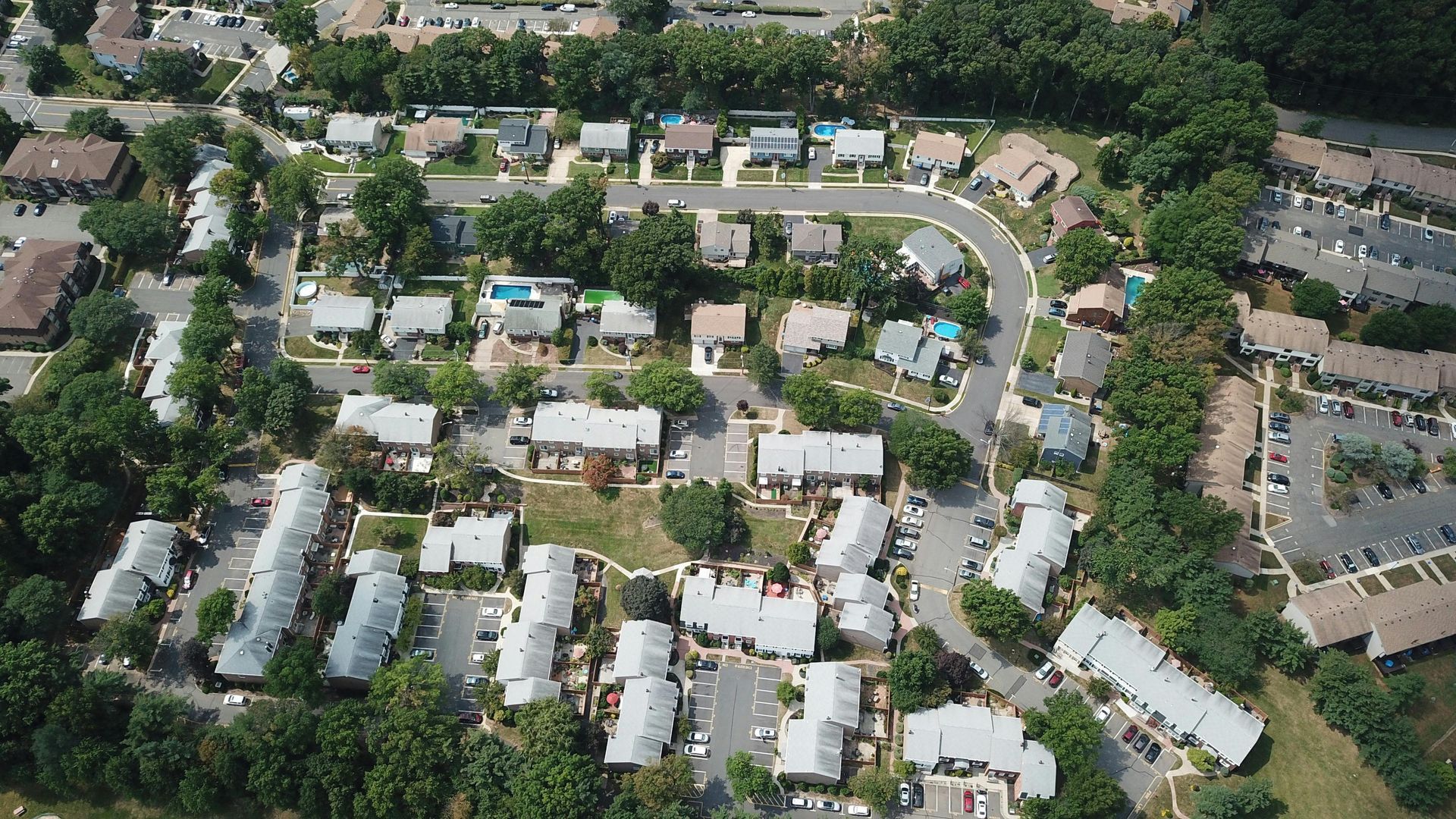
For developers, zoning challenges can delay or even derail a project. New Jersey’s land use system is complex, involving local ordinances, planning and zoning boards, and state-level doctrines that can significantly affect development rights. Understanding how to manage a zoning dispute effectively is essential to keeping your project on schedule and within budget. Understanding the Zoning Framework Zoning authority in New Jersey rests primarily with local municipalities, each of which adopts its own zoning ordinance and maintains boards responsible for reviewing site plans, variances, and other applications. However, these local rules operate within a larger legal framework defined by state statutes and case law. These processes are governed by the New Jersey Municipal Land Use Law ("MLUL"), N.J.S.A. § 40:55D-1 et seq ., which establishes the procedures, standards, and authority of local land use boards. Notably, the Mount Laurel Doctrine, which was established in the cases Southern Burlington County NAACP v. Township of Mount Laurel , 67 N.J. 151 (1975) (“Mount Laurel I”) and Southern Burlington County NAACP v. Township of Mount Laurel , 92 N.J. 158 (1983) (“Mount Laurel II”), requires municipalities provide a realistic opportunity for affordable housing. If a town fails to comply with its ‘fair share’ obligations for providing affordable housing, the Mount Laurel Doctrine includes enforcement mechanisms for developers against municipalities, known as builder’s remedy lawsuits. These state-level principles shape how a local board evaluates development proposals and are central in any subsequent legal challenge. Preparing Before a Dispute Arises The best way to avoid a zoning dispute is to anticipate it. Before acquiring a property or submitting an application, developers should confirm that the proposed use aligns with local zoning regulations and identify any potential variances that may be required. The nature of the relief sought, particularly whether the application requires a use variance or bulk variances, can significantly affect both the burden of proof and likelihood of success. A use variance is required when a proposed use is not permitted in the zone, whereas bulk variances address deviations from dimensional requirements such as setbacks, height, or lot coverage. Engaging experienced land use counsel and consultants early in the process can make a substantial difference. A knowledgeable team can review local ordinances, coordinate with planning staff, and help craft a strategy that minimizes risk and positions the project for approval. Responding When Issues Emerge Even well-prepared projects can face challenges, whether from neighboring property owners, environmental concerns, or board skepticism. When a dispute arises, the focus should be on building a clear and complete administrative record, as judicial review is confined to the record before the board. This requires presenting detailed expert testimony, ensuring all exhibits and objections are properly entered, responding directly to board questions, and demonstrating responsiveness to community input. If a board issues a denial or imposes unfavorable conditions, developers have the right to seek judicial review. Courts generally apply a highly deferential standard, upholding municipal decisions unless "the zoning board's decision was 'arbitrary, capricious, or unreasonable.'" Price v. Himeji, LLC , 214 N.J. 263, 284 (2013) (q uoting , Kramer v. Bd. of Adjustment , 45 N.J. 268, 296 (1965)). These appeals, which are often filed as prerogative writ actions in the New Jersey Superior Court, are subject to strict time limits, typically within 45 days of publication of the notice of decision. N.J. Ct. R. 4:69-6; N.J.S.A. § 40:55D-10. Prompt consultation with counsel is essential to preserve those rights. Strategic Considerations and Best Practices Every zoning dispute is unique, but certain principles apply broadly. Early engagement with municipal officials and the surrounding community can reduce resistance. Clear documentation and well-prepared applications help establish trust with reviewing boards. Flexibility in site design can also open the door to compromise solutions that satisfy both development goals and municipal concerns. At the same time, developers should be mindful of when negotiation ends and litigation begins. Some disputes are best resolved through dialogue and plan revisions; others may require judicial intervention to correct procedural errors or arbitrary decision-making. An experienced attorney can help weigh those options and develop a path forward that protects both the project and the client’s long-term interests. Conclusion Zoning and land use disputes in New Jersey can be intricate and time-sensitive, blending local politics, legal nuance, and practical development challenges. By conducting careful due diligence, engaging with the process early, and retaining skilled counsel, developers can better navigate these disputes and keep their projects moving. For guidance on zoning or land use matters, contact our team to discuss how we can assist with your project. This article is provided for general informational purposes only and reflects the law as of the date of publication. Legal standards and interpretations may change, and the information herein may not reflect subsequent developments. Nothing in this publication constitutes legal advice or creates an attorney-client relationship. Readers should not act or refrain from acting based on this content without seeking appropriate legal, financial, or tax advice from qualified professionals. Bialkowski Law, LLC disclaims any liability for actions taken or not taken based on the contents of this publication, to the fullest extent permitted by law. For further information, please contact our team at Bialkowski Law. No aspect of this advertisement has been approved by the Supreme Court of New Jersey.

When evaluating a development opportunity, it is easy to focus on financing, construction costs, and market demand. In many cases, however, zoning and land use issues present the most significant obstacles to moving a project from concept to construction. A project that appears feasible at acquisition can encounter substantial delays during the approval process. Zoning restrictions, environmental review requirements, site plan conditions, and community opposition can all affect project schedules and costs. In some cases, these issues may require significant redesign or prevent a project from moving forward altogether. Understanding the zoning and land use framework before acquiring property or commencing design work can help developers identify risks early, avoid costly surprises, and improve the likelihood of obtaining necessary approvals. Do Not Assume an Existing Use Can Be Expanded One of the most common misconceptions in real estate development is that an existing use may be freely expanded, modified, or redeveloped simply because it already exists on the property. Many properties operate as legal nonconforming uses. Although those uses may continue, local zoning regulations often restrict expansion, reconstruction, enlargement, or changes to the property. A developer who assumes an existing condition can be replicated or intensified may discover late in the process that substantial zoning relief is required. Before committing significant resources to a project, developers should evaluate the property's zoning designation, permitted uses, dimensional requirements, density limitations, and whether existing improvements comply with current zoning regulations. Early due diligence often identifies issues that can materially affect project feasibility and acquisition strategy. Many Projects Require Additional Municipal Approvals Even when a proposed development appears to comply with local zoning requirements, additional municipal approvals may still be necessary. Depending on the project, developers may need variances, special permits, site plan approval, or a combination of all three. These approvals often involve public hearings, engineering analyses, traffic studies, environmental review, and detailed scrutiny by local boards and officials. The scope and complexity of the approval process can vary significantly from one municipality to another. A project that requires zoning relief or discretionary approvals may face additional costs, extended timelines, and design modifications before construction can begin. For that reason, developers should evaluate approval requirements early in the planning process rather than after substantial resources have already been invested in design and development. Environmental Review Can Shape the Approval Process Environmental review frequently becomes one of the most significant factors affecting project schedules in New York. Many discretionary governmental approvals trigger review under the State Environmental Quality Review Act, commonly known as SEQRA. Depending on the nature and location of the project, municipalities may evaluate issues such as traffic impacts, noise, infrastructure capacity, stormwater management, wetlands, historic resources, and community character. The scope of environmental review can significantly influence both timing and project costs. Early coordination among legal counsel, planners, engineers, and environmental consultants can help identify potential concerns before they become major obstacles during the approval process. Community Opposition Remains a Practical Consideration Successful projects require more than technical compliance with zoning regulations. Community organizations, neighboring property owners, and other stakeholders frequently participate in the approval process and may raise concerns regarding traffic, parking, density, environmental impacts, neighborhood character, and public infrastructure. Even projects that fully comply with applicable regulations can experience delays when significant opposition develops. Addressing community concerns early in the process can often improve communication, reduce conflict, and help maintain project momentum during municipal review. Planning Ahead Can Save Significant Time and Money Successful development projects begin long before construction starts. Comprehensive zoning and land use due diligence can help developers identify risks, evaluate approval requirements, and make informed decisions before substantial investments are made. Whether a project involves variances, special permits, site plan approval, environmental review, or zoning litigation, understanding the regulatory landscape at the outset is often one of the most important factors in a project's success. If you are evaluating a development project or facing zoning-related challenges, our firm can help you assess risk, develop an effective approval strategy, and protect your investment. This article is provided for general informational purposes only and reflects the law as of the date of publication. Legal standards may change, and the information herein may not reflect subsequent developments. Nothing in this publication constitutes legal advice or creates an attorney-client relationship. Readers should not act or refrain from acting based on this content without seeking appropriate legal, financial, or tax advice from qualified professionals. Bialkowski Law, LLC disclaims any liability for actions taken or not taken based on the contents of this publication, to the fullest extent permitted by law. For further information, please contact our team at Bialkowski Law. No aspect of this advertisement has been approved by the Supreme Court of New Jersey.

Construction arbitration in New York and New Jersey, particularly under the American Arbitration Association ("AAA") Construction Industry Arbitration Rules , is designed to move efficiently with limited court involvement and significant discretion vested in the arbitrator. While arbitration is often viewed as a streamlined alternative to litigation, it requires early preparation and disciplined execution. In our experience, unfavorable outcomes are often driven not by the merits of a claim, but by avoidable strategic missteps. The following are seven of the most common mistakes contractors make in construction arbitration. 1. Treating Arbitration Like Litigation Arbitration is not simply a faster version of court proceedings. It is a fundamentally different process in both its procedural framework and its pace. For a more detailed overview of the differences between litigation and arbitration, see our article, Litigation or Arbitration? A Strategic Guide for NY & NJ Construction Disputes . Discovery is typically limited, depositions are often restricted or not permitted, and motion practice is narrowly confined. Hearing dates are frequently set early in the process and rarely adjourned without good cause. Contractors who assume they will have time to develop their case through litigation-style discovery often find themselves unprepared. Arbitration requires a front-loaded approach in which claims and defenses are substantially developed at the outset. A successful arbitration strategy requires early case assessment, prompt identification of key documents and witnesses, and a clear theory of liability and damages. 2. Poor Document Control and Recordkeeping Contemporaneous project documentation is often the most persuasive evidence in construction arbitration. Arbitrators routinely rely on project records such as daily reports, schedules, change order logs, emails, and cost records to determine what actually occurred on a project. Problems arise when records are incomplete, inconsistent, or created after the fact. Gaps in documentation can make it difficult to establish entitlement, while inconsistencies between documents can raise credibility concerns. Contractors should ensure that project teams maintain consistent and accurate records throughout the life of the project. Equally important is organizing and presenting those records in a clear and logical manner during the arbitration. Strong documentation not only supports claims but also enhances overall credibility before the arbitrator. 3. Failure to Provide Timely Notice of Claims Most construction contracts require contractors to provide written notice of claims within a specified timeframe as a condition precedent to recovery. These provisions are routinely enforced in arbitration. Late, vague, or incomplete notices can result in the waiver of otherwise valid claims. Even where some notice is given, failure to comply with contractual requirements regarding timing or content can significantly weaken a contractor’s position. Contractors should implement internal procedures to ensure that potential claims are identified early and that notice provisions are strictly followed. Notices should clearly reference the contract, describe the issue, and be submitted within the required timeframe. Treating notice requirements as a routine administrative task, rather than a critical legal obligation, often leads to avoidable disputes. 4. Overreaching on Damages Damages are often the most heavily scrutinized aspect of a construction arbitration. Arbitrators expect claims to be supported by detailed documentation and a clear causal link between the alleged breach and the costs incurred. Overstated or insufficiently supported damages can undermine the credibility of an entire case, including reliance on global cost figures without clear allocation, rounded or estimated amounts, or speculative components. A more effective approach is to present a disciplined damages analysis that is grounded in project records and supported by a clear methodology. Each category of damages should be explained, documented, and tied directly to the underlying events. Credibility in damages presentation often influences how the arbitrator views the case as a whole. 5. Underestimating Arbitrator Selection Arbitrator selection is a critical strategic decision that can significantly influence the outcome of a dispute. Under AAA procedures, parties typically have the opportunity to rank potential arbitrators, making arbitrator selection one of the few opportunities to influence the decision-maker. Relevant considerations include the arbitrator’s experience with construction disputes, familiarity with scheduling and delay issues, approach to contract interpretation, and general case management style. Some arbitrators may favor strict adherence to contract terms, while others may take a more practical or equitable approach. Failing to research and thoughtfully evaluate arbitrator candidates can result in selecting a decision-maker whose approach is not well aligned with the contractor’s case. Treating arbitrator selection as a routine administrative step is a missed opportunity to shape the forum in which the dispute will be decided. 6 . Delayed Expert Engagement Expert testimony is often central to construction arbitration, particularly in cases involving delay, disruption, productivity loss, or complex damages. Experts do more than prepare reports. They help frame the issues and support the overall theory of the case. Engaging experts late in the process limits their ability to analyze project records, identify key issues, and develop well-supported opinions. It can also lead to inconsistencies between the expert’s analysis and the contractor’s factual presentation. Early expert involvement allows for a more integrated approach. Experts can assist in evaluating claims, identifying evidentiary gaps, and ensuring that the damages analysis aligns with the available documentation. This coordination is especially important given the compressed timelines typical in arbitration. 7. Ignoring the Finality of Arbitration Awards Arbitration awards are subject to very limited judicial review. In New York, vacatur is governed by CPLR 7511. In New Jersey, similar standards apply under N.J.S.A. 2A:23B-23 and N.J.S.A. 2A:23B-24. Courts will vacate an award only in narrow circumstances, such as fraud, corruption, evident partiality, or where the arbitrator exceeded their authority. Mistakes of fact or law are generally not sufficient grounds for overturning an award. Contractors who assume that errors can be corrected on appeal often underestimate the importance of presenting a complete and well-supported case during the arbitration itself. Every aspect of the case, from evidence to witness preparation to legal arguments, must be addressed with the understanding that there may be no second opportunity. Conclusion Construction arbitration can be an efficient and effective forum, but it requires discipline and early strategic planning. Contractors who approach arbitration with litigation-based assumptions often place themselves at a disadvantage. Careful preparation, strong documentation, and a credible presentation are essential to achieving a favorable outcome. If you have questions about construction arbitration or dispute resolution strategies, we encourage you to contact our firm to discuss your specific situation. This article is provided for general informational purposes only and reflects the law as of the date of publication. Legal standards may change, and the information herein may not reflect subsequent developments. Nothing in this publication constitutes legal advice or creates an attorney-client relationship. Readers should not act or refrain from acting based on this content without seeking appropriate legal, financial, or tax advice from qualified professionals. Bialkowski Law, LLC disclaims any liability for actions taken or not taken based on the contents of this publication, to the fullest extent permitted by law. For further information, please contact our team at Bialkowski Law. No aspect of this advertisement has been approved by the Supreme Court of New Jersey.
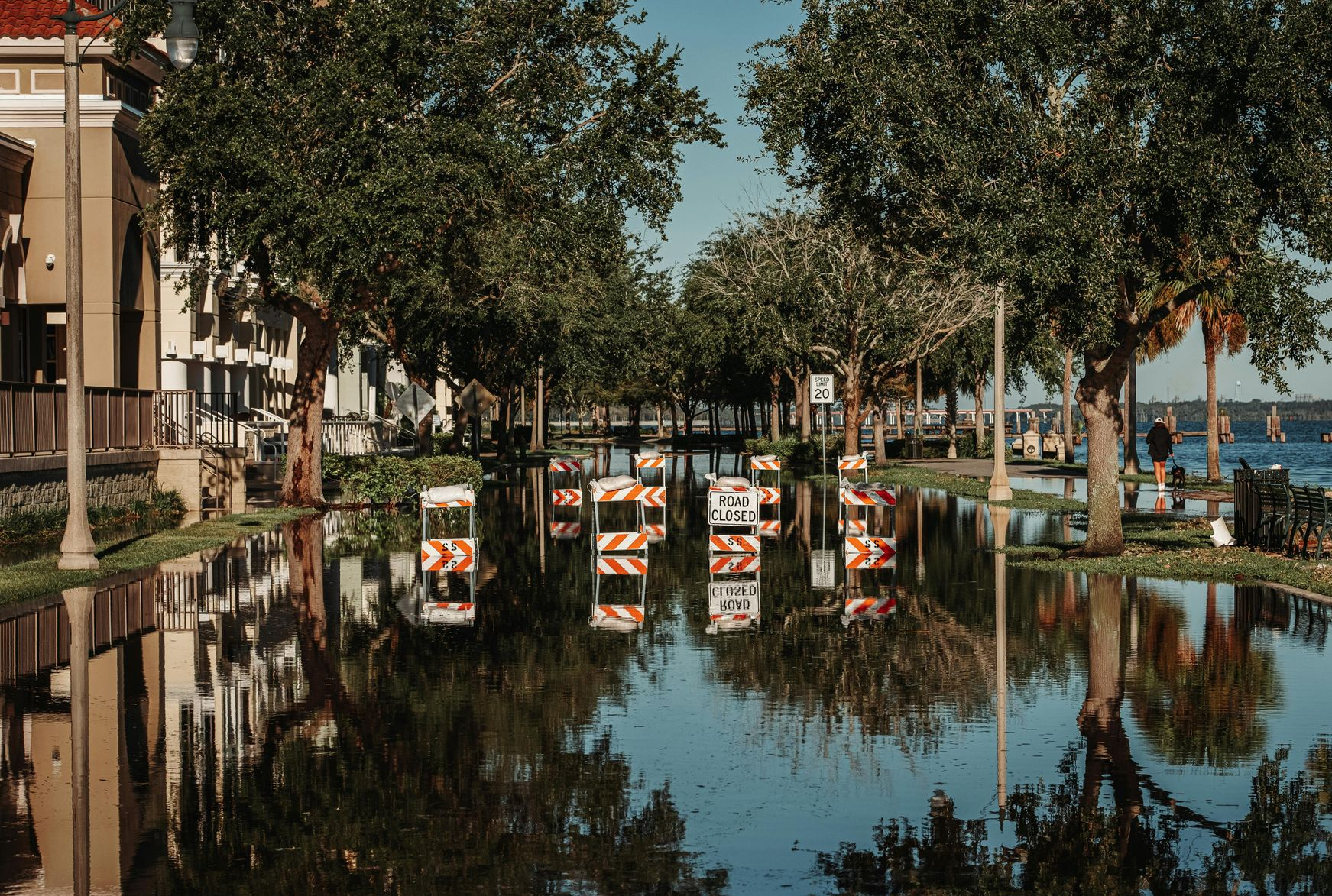
New Jersey has taken a major step toward strengthening flood resilience and climate preparedness. On January 20, 2026, the New Jersey Department of Environmental Protection (NJDEP) formally adopted the Resilient Environments and Landscapes rules, commonly referred to as the REAL Rules. These regulations substantially revise both coastal and inland flood hazard standards and will have wide-ranging implications for development, redevelopment, and infrastructure projects throughout the State. For owners and developers, the REAL Rules introduce more stringent design requirements while also providing a limited transition period for certain pending applications. Overview of the REAL Rules The REAL Rules are intended to modernize New Jersey’s flood hazard framework by accounting for increased flooding risks associated with sea level rise, storm surge, and extreme weather events. The regulations amend existing coastal and flood hazard area rules and apply to a broad range of projects, including residential, commercial, mixed-use, and public infrastructure development. Among other changes, the REAL Rules raise minimum elevation standards, expand regulated areas, and modify permitting thresholds in flood-prone locations. Increased Elevation Requirements One of the most consequential changes is the elevation standard for new construction and substantial improvements. Under the REAL Rules, buildings and certain infrastructure located in regulated flood areas must generally be constructed at least four feet above the applicable Federal Emergency Management Agency (FEMA) base flood elevation. This requirement exceeds prior standards and may significantly affect site design, grading, foundation systems, and overall project costs, particularly in coastal communities and low-lying inland areas. Creation of the Inundation Risk Zone The REAL Rules also establish a new regulatory area known as the Inundation Risk Zone. This zone is based on projections identifying areas expected to be permanently inundated by tidal waters by the year 2100. Properties within the Inundation Risk Zone may be subject to additional limitations and review requirements, even if they are not currently located within a traditional flood hazard area. This forward-looking approach represents a notable expansion of flood regulation based on anticipated future conditions rather than solely historical flood data. Transition and “Legacy” Provisions Recognizing the impact of these changes, the REAL Rules include limited transition provisions for certain pending projects. Applications that are deemed administratively complete within 180 days of adoption, or by July 20, 2026, may be reviewed under the prior, less stringent regulations. For projects currently in planning or early design phases, these legacy provisions may offer an opportunity to proceed under existing standards, provided that permitting milestones are met within the specified timeframe. Practical Implications for Developers and Owners The adoption of the REAL Rules is expected to influence project feasibility, timelines, and costs across New Jersey. Key considerations include evaluating whether projects may qualify for legacy treatment, reassessing site constraints in newly regulated areas, and coordinating early with design professionals to address elevated construction requirements. Projects that do not qualify for transitional review will need to account for the enhanced standards at the outset to avoid delays or redesigns later in the permitting process. Looking Ahead The REAL Rules reflect a broader regulatory trend toward integrating climate resilience into land use and environmental permitting decisions. As these regulations take effect, early planning and a clear understanding of applicable requirements will be essential for successful project delivery. This article is provided for general informational purposes only and reflects the law as of the date of publication. Legal standards and interpretations may change, and the information herein may not reflect subsequent developments. Nothing in this publication constitutes legal advice or creates an attorney-client relationship. Readers should not act or refrain from acting based on this content without seeking appropriate legal, financial, or tax advice from qualified professionals. Bialkowski Law, LLC disclaims any liability for actions taken or not taken based on the contents of this publication, to the fullest extent permitted by law. For further information, please contact our team at Bialkowski Law. No aspect of this advertisement has been approved by the Supreme Court of New Jersey.

On January 20, 2026, New Jersey enacted amendments to the A-901 licensing program commonly known as the “Dirty Dirt Law.” These amendments were adopted in response to sustained concerns from the construction and development community regarding the scope and application of the law. Most notably, the amendments clarify and narrow who is considered a “broker” of soil and fill materials for licensing purposes. The changes are intended to reduce regulatory uncertainty while maintaining oversight of soil and fill recycling activities that present environmental and public interest risks. Background: Expansion of the Dirty Dirt Law The Dirty Dirt Law, originally enacted in 2020, expanded New Jersey’s A-901 solid waste licensing program to cover businesses involved in soil and fill recycling services. Covered activities included the collection, transportation, processing, storage, brokering, purchase, sale, and disposal of soil and fill recyclable materials. Although the law was designed to address illegal dumping and prevent misuse of contaminated materials, its broad language created confusion and delays for contractors, developers, and environmental professionals. Many entities questioned whether they were required to undergo the lengthy and rigorous A-901 licensing process even when they did not directly handle soil or waste materials. The 2026 Amendments: Refining the Definition of “Broker” A central focus of the 2026 amendments is the refinement of the statutory definition of “broker.” The revised law clarifies that a broker does not include a person or entity acting on its own behalf that hires licensed service providers to collect, transport, process, or dispose of soil and fill materials on property it owns or controls. The amendments also exclude entities that engage licensed subcontractors to perform soil and fill recycling services. This clarification is particularly important for developers and general contractors who arrange for soil and fill services as part of their own construction projects rather than acting as intermediaries between unrelated third parties. Additional Clarifications and Exemptions In addition to redefining broker activity, the amendments make several other statutory adjustments intended to reduce unnecessary regulatory burdens. The definition of “key employee” was revised to exclude brokers, consultants, and salespersons, thereby limiting fingerprinting and disclosure requirements for certain personnel. The definition of soil and fill recyclable materials was also refined to exclude certain alternative fill materials approved under Licensed Site Remediation Professional oversight. The amendments further establish a limited exemption for entities transporting or storing small volumes of soil and fill materials at a single site in a single day. In addition, the timeframe for submitting a soil and fill recycling license application following adoption of implementing regulations was extended from thirty days to forty-five days. Practical Implications for Owners and Contractors The amendments provide meaningful relief for segments of the construction and redevelopment industry, particularly where licensing obligations were previously unclear. Developers and contractors should nonetheless continue to evaluate whether their activities involve direct handling or disposition of soil and fill materials, whether subcontractors performing such work hold the required A-901 licenses, and how contracts allocate responsibility for regulatory compliance. Entities that directly collect, transport, process, or dispose of soil and fill recyclable materials remain subject to the A-901 licensing program and should continue to monitor regulatory guidance and enforcement trends. Looking Ahead The 2026 amendments to the Dirty Dirt Law reflect a legislative effort to recalibrate environmental oversight while addressing practical challenges faced by the construction and development community. As the New Jersey Department of Environmental Protection updates its rules and guidance to reflect these statutory changes, careful attention to compliance obligations will remain essential for project planning and execution. This article is provided for general informational purposes only and reflects the law as of the date of publication. Legal standards and interpretations may change, and the information herein may not reflect subsequent developments. Nothing in this publication constitutes legal advice or creates an attorney-client relationship. Readers should not act or refrain from acting based on this content without seeking appropriate legal, financial, or tax advice from qualified professionals. Bialkowski Law, LLC disclaims any liability for actions taken or not taken based on the contents of this publication, to the fullest extent permitted by law. For further information, please contact our team at Bialkowski Law. No aspect of this advertisement has been approved by the Supreme Court of New Jersey.

In late 2025, New York further clarified and strengthened statutory protections governing retainage in private construction contracts. On December 19, 2025, Governor Kathy Hochul signed A.5405/S.5655 into law, amending the New York General Business Law to make clear that contractual provisions requiring retainage above five percent are void and unenforceable. This legislation builds directly on the 2023 amendments to New York’s Prompt Payment Act and reflects the Legislature’s continued effort to promote prompt and predictable payment practices in private construction projects. Background on the Prompt Payment Act and Retainage Limits In November 2023, New York enacted significant amendments to the Prompt Payment Act, codified primarily in General Business Law §§ 756-a and 756-c. Among other reforms, the statute imposed a five percent cap on retainage in private construction contracts with a total value of $150,000 or more. The law was intended to address long-standing concerns that excessive retainage unfairly shifted financial risk to contractors and subcontractors and delayed payment well beyond the completion of meaningful work. Under the 2023 amendments, retainage in covered private construction contracts could not exceed five percent of the total contract sum, and a subcontractor’s retainage could not exceed the percentage withheld from the prime contractor. The amendments also required release of retainage within thirty days after final approval of the work and allowed contractors to submit a final invoice upon substantial completion, as defined by the contract, rather than waiting until full project closeout. Despite these changes, some parties continued to draft contracts that attempted to require retainage in excess of the statutory cap, creating uncertainty as to whether such provisions were enforceable. The 2025 Amendment Clarifying Enforceability The 2025 legislation directly addressed these attempts to contract around the statute. By amending General Business Law § 757, the Legislature expressly provided that any provision in a covered private construction contract requiring retainage above five percent of the contract sum is void and unenforceable as a matter of law. The amendment applies to contracts entered into on or after November 17, 2023, the effective date of the original Prompt Payment Act reforms. As a result, parties cannot rely on negotiated contract language to justify higher retainage on newer contracts, even if such provisions were agreed to by all parties at the time of execution. This clarification reinforces that the five percent retainage cap is mandatory rather than a default rule and eliminates arguments that sophisticated parties may opt out of the statutory framework. Practical Implications for Owners, Contractors, and Subcontractors For owners and developers, the 2025 amendment underscores the importance of reviewing and updating standard form agreements, procurement documents, and project manuals to ensure that retainage provisions comply with current law. Contract language that requires or permits retainage above five percent now carries a clear risk of being deemed unenforceable. General contractors should similarly review prime contracts and subcontract forms to confirm that retainage provisions align with the statutory cap and mirror the retainage actually withheld by the owner. Internal accounting and project administration practices should also be reviewed to ensure retainage is released in accordance with the statutory timelines. Subcontractors and trade contractors should be aware that retainage withheld in excess of five percent on covered private projects may violate the General Business Law. The 2025 amendment strengthens the statutory basis for challenging excessive retainage and may affect how payment disputes are resolved on projects subject to the Prompt Payment Act. Key Takeaways New York’s 2025 legislation reinforces the State’s policy favoring prompt payment and limits on retainage in private construction contracts. By expressly voiding contractual provisions that exceed the statutory five percent cap, the Legislature has reduced uncertainty and curtailed attempts to circumvent the Prompt Payment Act through contract drafting. Parties involved in private construction projects in New York should carefully review existing contract forms and payment practices to ensure compliance with the reinforced retainage regime. Proactive review and revision of contract documents can help avoid disputes, payment delays, and potential exposure under the General Business Law. If you have questions about how these changes may affect your construction contracts or ongoing projects, you should consult with experienced construction counsel to evaluate your specific circumstances. This article is provided for general informational purposes only and reflects the law as of the date of publication. Legal standards and interpretations may change, and the information herein may not reflect subsequent developments. Nothing in this publication constitutes legal advice or creates an attorney-client relationship. Readers should not act or refrain from acting based on this content without seeking appropriate legal, financial, or tax advice from qualified professionals. Bialkowski Law, LLC disclaims any liability for actions taken or not taken based on the contents of this publication, to the fullest extent permitted by law. For further information, please contact our team at Bialkowski Law. No aspect of this advertisement has been approved by the Supreme Court of New Jersey.
Earlier this month, New York State agreed to delay enforcement of the All‑Electric Buildings Act while a legal challenge to the statute proceeds on appeal. As a result, developers and project teams may continue to design and construct new buildings under existing code requirements until the appellate court issues a decision. This development is significant for owners, developers, and contractors planning projects that were preparing for the law’s first compliance deadline. Background: New York’s All‑Electric Buildings Act The All‑Electric Buildings Act was adopted in 2024 as part of New York’s broader climate and emissions‑reduction initiatives. In general terms, the law would prohibit the installation of fossil‑fuel‑based equipment such as natural gas, oil, or propane systems for space heating, water heating, and cooking in any most newly constructed buildings. The statute contemplated a phased rollout, with the first phase scheduled to take effect at the end of 2025 or on January 1, 2026, depending on building type, and later phases expanding the scope of covered projects. While the law included limited exemptions, it represented a substantial shift in building design and energy infrastructure across the state. Legal Challenge and Appeal The All-Electric Buildings Act has been the subject of ongoing litigation brought by a coalition of trade and labor organizations within the building and energy industries. See , Mulhern Gas Co. v. Mosley , 798 F. Supp. 3d 304 (N.D.N.Y. 2025). The industry challengers contend that New York’s restrictions on fossil-fuel equipment in new construction conflict with federal energy statutes, including the Energy Policy and Conservation Act (EPCA), 42 U.S.C.S. § 6201 et seq. , and therefore exceed the State’s authority. In July 2025, the United States District Court for the Northern District of New York rejected those arguments at the summary judgment stage, concluding that the State’s all-electric requirements are not preempted by federal law. Mulhern Gas Co. , 798 F. Supp. 3d at 328. The industry groups appealed that ruling to the Second Circuit U.S. Court of Appeals. While the appeal is pending, New York has agreed by stipulation to refrain from enforcing the all-electric mandate until the Second Circuit issues a decision. What the Enforcement Delay Means in Practice The agreed-upon stay has several immediate and practical consequences. New York will not enforce the all-electric buildings standard until the Second Circuit resolves the appeal. The January 2026 compliance deadline is effectively on hold, and developers may continue to proceed under pre-existing building, energy, and fuel code requirements. Commentators and advocates expect that the appeal will take time, and many anticipate that enforcement will be delayed at least until fall 2026. Considerations for Developers and Project Teams Although the delay provides short-term clarity, it does not eliminate uncertainty. Developers and owners should carefully consider project timing and permitting. Projects moving forward now may rely on existing code requirements, but future phases or new projects could be affected depending on the outcome of the appeal. Some project teams are evaluating whether to incorporate design features that allow for easier future electrification if the law is ultimately upheld. Development agreements and construction contracts may also need to address the risk of future regulatory changes, including potential redesigns or cost impacts. Careful planning and coordination among legal, design, and construction professionals remains essential. Looking Ahead The Second Circuit’s decision will have important implications not only for New York, but also for other jurisdictions considering similar all‑electric building mandates. Until that decision is issued, enforcement of New York’s All‑Electric Buildings Act remains stayed, and the current regulatory framework continues to apply. Stakeholders should continue to monitor developments closely, as the legal and regulatory landscape could change with limited notice once the appeal is resolved. Conclusion The delay in enforcement of New York’s all‑electric buildings mandate provides temporary relief for developers and builders, but it does not remove the need for forward‑looking planning. Understanding how this evolving issue may affect project design, permitting, and contracts is critical in the current environment. This article is provided for general informational purposes only and reflects the law as of the date of publication. Legal standards and interpretations may change, and the information herein may not reflect subsequent developments. Nothing in this publication constitutes legal advice or creates an attorney-client relationship. Readers should not act or refrain from acting based on this content without seeking appropriate legal, financial, or tax advice from qualified professionals. Bialkowski Law, LLC disclaims any liability for actions taken or not taken based on the contents of this publication, to the fullest extent permitted by law. For further information, please contact our team at Bialkowski Law. No aspect of this advertisement has been approved by the Supreme Court of New Jersey.